After Starting LLLT for Dry Eye: What Manhattan Patients Can Discuss at Their Follow-Up Visit
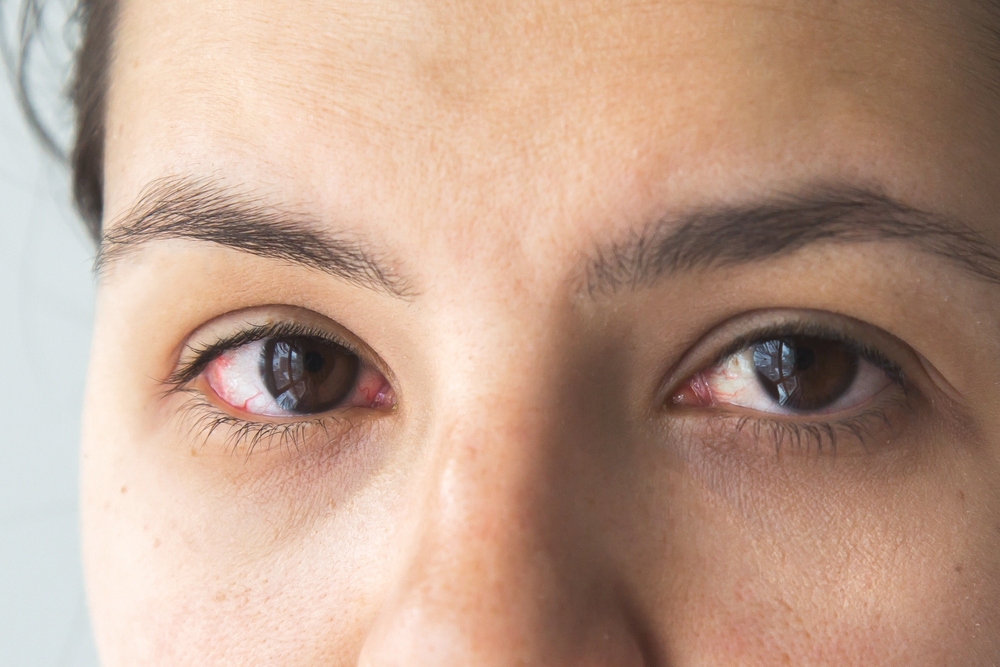
Starting Low Level Light Therapy (LLLT) for dry eye is an important step toward managing ongoing irritation and discomfort. However, treatment doesn't end after your first session. Follow-up visits help us evaluate how your eyes are responding and determine whether adjustments to your treatment plan are needed.
At Eye Care Associates of Manhattan, P.A., we encourage patients receiving LLLT for dry eye in Manhattan, KS, to pay attention to changes in their symptoms and bring any questions to their follow-up appointments.
How Have Your Dry Eye Symptoms Changed?
LLLT uses specific wavelengths of light to help reduce inflammation and support meibomian gland function. These glands produce oils that help prevent tears from evaporating too quickly.
After beginning treatment, you may notice changes in dryness, burning, irritation, or fluctuating vision. However, improvement varies, and some patients may require multiple sessions before noticing meaningful relief. During your follow-up, we'll discuss whether your symptoms have improved, remained consistent, or become more noticeable.
What Should You Track Between LLLT Sessions?
Keeping track of your symptoms can help us better understand your response to dry eye treatment. Before your next appointment, consider noting:
• Dryness and irritation: Are your eyes feeling more comfortable throughout the day?
• Burning or redness: Have these symptoms become less frequent or intense?
• Blurry vision: Does your vision still fluctuate, especially after prolonged screen use?
• Contact lens comfort: Can you wear your contacts comfortably for longer periods?
• Artificial tear use: Are you reaching for lubricating eye drops more or less frequently?
• Environmental triggers: Do wind, indoor heating, or air conditioning still worsen your symptoms?
Sharing these observations allows us to compare your daily experience with our clinical findings.
What Will We Evaluate During Your Follow-Up?
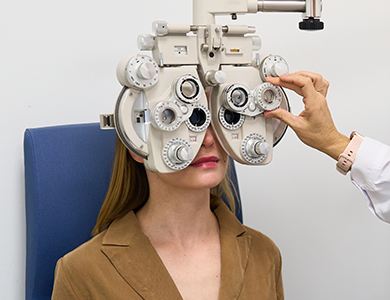
Your LLLT follow-up appointment is an opportunity to assess changes in your eye health beyond how your eyes feel. Depending on your needs, we may examine your tear film, eyelid health, and meibomian gland function. These evaluations can help us determine whether your current treatment approach is addressing factors contributing to your dry eye symptoms.
Even when discomfort improves, ongoing monitoring may be necessary because dry eye is often a chronic condition.
Should You Continue Other Dry Eye Treatments?
LLLT may be one part of a broader dry eye management plan. Some patients also benefit from artificial tears, eyelid hygiene, or additional treatments based on their specific needs.
At your follow-up, we can discuss whether your existing routine remains appropriate, whether additional LLLT sessions may be beneficial, and when your next evaluation should take place. Avoid changing prescribed treatments without discussing them with your eye doctor.
When Should You Contact Us Before Your Scheduled Visit?
You shouldn't have to wait until your next appointment to discuss worsening symptoms. If your dryness or irritation becomes more persistent, contact our office so we can determine whether an earlier evaluation is appropriate.
If you've recently started LLLT for dry eye, schedule a follow-up with Eye Care Associates of Manhattan, P.A. to discuss your progress and next steps toward more comfortable eyes. Visit our office in Manhattan, KS, or call (785) 776-9461 to book an appointment today.
Quick Links
Helpful Articles
All Eye Care Services
Find personalized eye care excellence with our comprehensive services. From eye exams to advanced diagnostics, trust us for all your vision needs.
Keep In Touch
For non-urgent questions or to learn more about our services, contact us today!

Quick Links
Contact Info
- 1640 Charles Pl., Suite #103
Manhattan, KS 66502 - Phone: (785) 776-9461
- Fax: (785) 776-9946
Hours of Operation
- Monday 8:00am - 5:00pm
- Tuesday 8:00am - 5:00pm
- Wednesday 8:00am - 5:00pm
- Thursday 8:00am - 5:00pm
- Friday 8:00am - 5:00pm
- Saturday Closed
- Sunday Closed
- Monday
- Tuesday
- Wednesday
- Thursday
- Friday
- Saturday
- Sunday
- Monday
- Tuesday
- Wednesday
- Thursday
- Friday
- Saturday
- Sunday
© 2026 Eye Care Associates of Manhattan P.A. . All rights Reserved -
Accessibility Statement
-
Privacy Policy
-
Sitemap
Managed and Designed by 